
Venezuela, officially known as the Bolivarian Republic of Venezuela, is one of South America’s most fascinating and diverse countries. Known for its breathtaking landscapes, vibrant culture, and rich natural resources, it has long captured the imagination of travelers, historians, and economists alike. From the snow-capped peaks of the Andes to the endless plains of the Llanos and the shimmering Caribbean coastline, Venezuela offers a unique blend of beauty, history, and complexity. In this article, we’ll explore Venezuela’s history, geography, culture, economy, and key attractions, providing a well-rounded guide to understanding this remarkable nation.
Geography and Natural Wonders of Venezuela
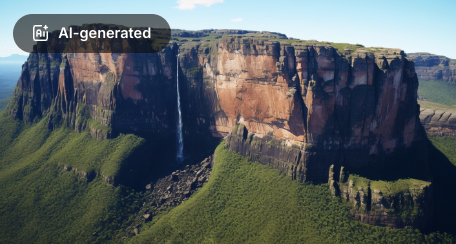
Venezuela is located on the northern coast of South America, sharing borders with Colombia, Brazil, and Guyana while facing the Caribbean Sea to the north. The country’s geography is incredibly varied, with four main regions: the Andes Mountains, the Maracaibo Lowlands, the Llanos plains, and the Guiana Highlands. Among its most iconic natural wonders is Angel Falls, the world’s highest uninterrupted waterfall, located in Canaima National Park. Venezuela is also home to the Orinoco River Basin, a vital ecosystem teeming with biodiversity, and the Los Roques Archipelago, a Caribbean paradise of white sand beaches and turquoise waters. This diversity makes Venezuela a top destination for eco-tourism and adventure travel.
A Brief History of Venezuela
The territory of present-day Venezuela was originally inhabited by Indigenous peoples before Spanish colonization began in the early 16th century. It became one of the first Spanish-American colonies to seek independence, led by revolutionary hero Simón Bolívar. Venezuela declared independence in 1811 and played a central role in the liberation of several South American nations. Over the centuries, the country has undergone significant political and economic transformations, experiencing both periods of prosperity and challenges. Its rich history continues to shape its national identity and international standing today.
Venezuelan Culture and Traditions
Venezuelan culture is a vibrant blend of Indigenous, African, and European influences, reflected in its music, art, cuisine, and festivals. Traditional music styles such as joropo, salsa, and merengue fill streets and celebrations. The country’s cuisine combines local ingredients like corn, plantains, and seafood with international flavors, producing iconic dishes like arepas, pabellón criollo, and hallacas. Religious and cultural festivities, such as Carnival and the Feria de la Chinita, showcase Venezuela’s communal spirit and artistic heritage. These cultural expressions make Venezuela one of the most colorful and dynamic nations in South America.
The Economy of Venezuela
Venezuela’s economy is heavily dependent on its vast oil reserves, which are among the largest in the world. The discovery of oil in the early 20th century transformed the country into one of Latin America’s wealthiest nations, but in recent decades economic and political instability has led to challenges including inflation, shortages, and emigration. Despite these issues, Venezuela retains enormous economic potential thanks to its natural resources, strategic location, and entrepreneurial population. Efforts to diversify its economy and stabilize its financial systems are ongoing, and the country’s future development remains a topic of global interest.
Tourism and Top Attractions in Venezuela
Tourists visiting Venezuela are rewarded with an array of unforgettable experiences. Beyond Angel Falls, highlights include the colonial city of Coro, a UNESCO World Heritage site; Margarita Island, famous for its beaches and resorts; and the Gran Sabana, a vast plateau dotted with tepuis (tabletop mountains) and unique wildlife. Adventure seekers can hike the Andes, explore the wetlands of the Llanos, or scuba dive in Los Roques. While travelers should always check current conditions and travel advisories, Venezuela remains a destination of extraordinary natural beauty and cultural richness.
Venezuela’s Biodiversity and Environmental Importance
Venezuela is recognized as one of the world’s most biodiverse countries, home to hundreds of species of mammals, birds, reptiles, and plants found nowhere else. National parks and protected areas cover a significant portion of the country, safeguarding habitats ranging from tropical rainforests to Andean highlands. This environmental wealth makes Venezuela an essential player in global conservation efforts and a valuable destination for researchers and ecotourists alike.
Conclusion
Venezuela is a nation of contrasts and wonders, blending spectacular natural landscapes with a rich historical and cultural heritage. While it has faced economic and political challenges in recent years, its people, environment, and traditions continue to inspire admiration and hope. Whether you’re drawn to its natural beauty, intrigued by its history, or eager to experience its vibrant culture, Venezuela offers something for everyone. By understanding its complexities and celebrating its strengths, we can appreciate why Venezuela remains one of South America’s most remarkable countries.
🔹 FAQ
Q1: Where is Venezuela located?
A1: Venezuela is on the northern coast of South America, bordering Colombia, Brazil, and Guyana, with a Caribbean coastline to the north.
Q2: What is Venezuela famous for?
A2: Venezuela is renowned for its vast oil reserves, Angel Falls, Caribbean beaches, and diverse ecosystems.
Q3: Is Venezuela safe to visit?
A3: Safety conditions can vary. Travelers should check current government advisories and take standard precautions when visiting.
Q4: What language is spoken in Venezuela?
A4: Spanish is the official and most widely spoken language.
Q5: What are the top attractions in Venezuela?
A5: Angel Falls, Los Roques Archipelago, Margarita Island, Canaima National Park, Coro, and the Gran Sabana are among the top attractions.
Q6: What is the capital of Venezuela?
A6: Caracas is the capital city of Venezuela.
Q7: What is a popular Venezuelan dish?
A7: Arepas, a type of cornmeal cake, are one of Venezuela’s most iconic foods.
