
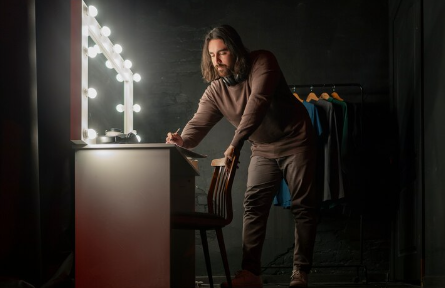
Boudoir photography stands as a powerful and intimate genre dedicated to capturing the essence of an individual, celebrating their unique body, personality, and inherent sensuality through the lens of a camera. It is a transformative art form that moves far beyond mere photography, often serving as a profound journey in self-love and body acceptance for the subject. This genre, particularly in its solo expressions, is not about conforming to external expectations or societal standards of beauty but is instead a deeply personal exploration and celebration of one’s own form. The journey involves a collaborative process between the photographer and the subject, built on a foundation of trust and creative vision, aimed at creating images that are both artistically compelling and personally empowering. Whether the session is a personal gift for a partner or, more commonly today, a gift to oneself, the ultimate goal remains the same: to see oneself in a new light, to appreciate the beauty in one’s own curves, lines, and unique features, and to create a timeless record of confidence and self-assurance. This comprehensive guide will delve into the core elements that constitute a successful solo boudoir photoshoot, from the crucial technical aspects of lighting and composition to the nuanced art of directing poses and fostering a comfortable, empowering atmosphere that allows the true spirit of the subject to shine through.
The Foundation of Atmosphere: Creating a Space of Trust and Comfort
Before a single photograph is taken, the most critical element of a successful boudoir photoshoot is the establishment of a safe, comfortable, and trusting environment. The very nature of boudoir requires a level of vulnerability that cannot be forced or rushed; it must be cultivated with intention and care by the photographer. This process begins with a pre-shoot consultation, either in person or virtually, where the photographer and subject can discuss vision, boundaries, and expectations openly. This is the time to talk about the desired aesthetic, from soft and romantic to bold and dramatic, and to review wardrobe options that make the subject feel both beautiful and powerful. On the day of the shoot, the physical space plays an equally important role. A professional studio or a carefully prepared in-home setting should be private, warm, and clean, with amenities like a changing area, a mirror, and soft music to help set the mood. The photographer’s demeanor is paramount; they must act as a guide and a collaborator, offering constant encouragement and clear, respectful direction. The empowerment derived from a boudoir session is deeply tied to the subject’s feeling of agency throughout the process. They should always feel in control, able to voice discomfort, suggest ideas, and know that their boundaries are being respected unconditionally. This foundation of trust is what transforms a simple photoshoot into an experience of genuine self-discovery and celebration.
Mastering Light and Shadow: The Technical Art of Sculpting the Form
In boudoir photography, light is not merely a tool for illumination; it is the primary instrument for shaping mood, defining texture, and sculpting the human form with a painterly quality. The strategic use of light and shadow is what elevates an image from a simple snapshot to a piece of fine art, capable of highlighting strengths and creating flattering, dynamic compositions. Soft, diffused light is often the most universally flattering choice, as it gently wraps around the body’s contours, minimizing the appearance of skin imperfections and creating a dreamlike, ethereal atmosphere. This can be achieved using large softboxes or scrims in a studio, or by utilizing the beautiful, indirect light from a north-facing window, which provides a soft, consistent glow that is ideal for intimate portraiture. Conversely, more directional and dramatic lighting, such as that from a single spotlight or a narrow window, can be used to create high contrast between light and shadow, emphasizing muscle tone, curves, and creating a sense of mystery and depth. The key is to use light intentionally to guide the viewer’s eye and to celebrate the subject’s unique physique. For instance, backlighting can create a stunning halo effect around the hair and body, while side lighting can dramatically sculpt the waist and hips. The choice of lighting setup should always be a deliberate decision made in service of the overall emotional tone and aesthetic goal of the shoot, working in harmony with the pose and the subject’s comfort level to create a powerful and beautiful image.
The Language of the Body: A Guide to Posing for Empowerment and Flattery
Posing in boudoir photography is a subtle language of arching backs, tilted chins, and positioned limbs—a non-verbal dialogue between the photographer and the subject aimed at creating lines of elegance and conveying a narrative of confidence. The goal of posing is never to contort the body into unnatural shapes but rather to find authentic, powerful, and comfortable positions that make the subject feel as magnificent as they look. Effective posing often starts with the core of the body; a slight arch in the lower back, known as a “C-curve” or “S-curve,” is a foundational technique that immediately creates a flattering line, accentuating the natural curves of the female form. From this foundation, attention turns to the limbs, where the rule of thumb is to avoid straight, rigid lines by creating gentle bends in the elbows, wrists, knees, and ankles. This introduces a sense of flow and softness to the composition. The connection of the body with its environment is also crucial; interacting with props like a cozy chair, luxurious sheets, or even a simple wall can provide support and inspire more natural, relaxed poses. Perhaps the most important aspect of directing poses is continuous, positive communication. Instead of using technical jargon, a photographer might use evocative cues like “lengthen your neck,” “push your shoulder towards me,” or “take a deep breath and let it out slowly,” which help to create organic movement and capture a genuine, unposed moment within the framework of a directed pose.
Conclusion: The Lasting Impact of a Personal Celebration
The true value of a solo boudoir photoshoot extends far beyond the beautiful images produced; it resides in the transformative experience itself and the lasting empowerment it fosters. In a world that constantly projects narrow and often critical standards of beauty, choosing to step in front of a camera and celebrate one’s body as it is, is a radical act of self-love. The process of being seen, guided, and photographed in a safe and supportive environment allows individuals to confront insecurities, silence their inner critic, and witness their own beauty through an objective, artistic lens. The final photographs become more than just pictures; they serve as a tangible, permanent reminder of a moment in time where confidence was reclaimed, vulnerability was transformed into strength, and self-acceptance was not just a concept but a lived experience. This journey encourages a shift in perspective, promoting a healthier and more compassionate relationship with one’s own body long after the studio lights have been turned off. Ultimately, boudoir photography is a celebration of individuality, a testament to the fact that beauty, sensuality, and power are not defined by size, shape, or age, but are inherent qualities that deserve to be recognized, honored, and artistically preserved.
Frequently Asked Questions (FAQ)
Q1: What is the core philosophy behind boudoir photography?
The core philosophy of boudoir photography is empowerment and self-celebration. It is an artistic genre focused on helping individuals see their own beauty and sensuality, promoting body confidence and self-love through a collaborative and respectful photographic experience.
Q2: I’m nervous about my photoshoot. Is that normal?
Absolutely. It is completely normal and even expected to feel nervous before a boudoir session. A professional photographer is skilled at creating a relaxing, comfortable atmosphere and will guide you through every step. The pre-shoot consultation is designed specifically to alleviate these fears by building trust and setting clear expectations.
Q3: How should I prepare for a boudoir session?
Preparation involves both practical and mental steps. Practically, you might consider outfit selection, grooming choices, and ensuring you are well-rested and hydrated. Mentally, it’s helpful to focus on the experience as one of self-care rather than pressure. Communicate your hopes and concerns with your photographer beforehand—they are your partner in this process.
Q4: What kind of lighting is most flattering for boudoir?
Soft, diffused light is generally the most flattering as it smooths skin texture and creates a gentle, romantic mood. This is often achieved with large light modifiers in a studio or by using natural light from a window. However, the “best” lighting depends on the desired mood, and a skilled photographer will use various setups to sculpt and flatter your unique figure.
Q5: Who are boudoir photos for?
While some people commission boudoir photos as a gift for a partner, a growing and significant majority do it entirely for themselves. The primary beneficiary is often the subject, as the experience and the resulting images serve as a powerful personal reminder of their confidence, strength, and beauty.
